Chronic pain disorders are often associated with anxiety and insomnia...and that is surely no secret!
While some patients turn to medications to battle these issues, there are some natural ways to fight back...and today I am going to share one with you!
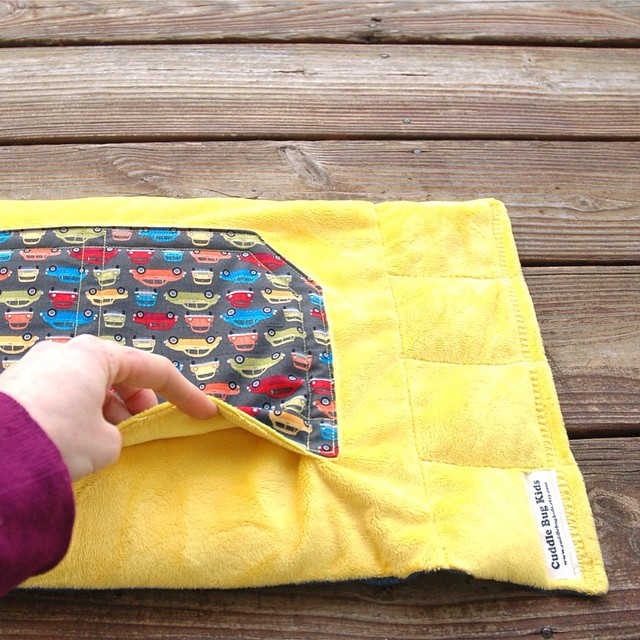
Originally, occupational therapists used weighted blankets to help children with sensory disorders to combat anxieties associated with those conditions. These blankets are constructed with "pockets" of plastic pellets from top to bottom. The extra weight of the blanket has a calming effect on the person under it; it is thought that the added weight signals the brain to release neurotransmitters such as dopamine and serotonin, causing relaxation.
In present day, these blankets have become a powerful tool in the world of psychiatry for other individuals as well...particularly those with anxiety. These blankets weight anywhere from fifteen to thirty pounds, and act much like a firm hug on those who need relief from such distress! In addition to anxiety issues, these blankets have been found to help those with insomnia to achieve a better night of sleep.
You can read more about these amazing blankets and whether or not they are right for you are someone you love by reading here and here. If you're interested in purchasing one, check them out on Amazon!
Sources: jscimedcentral.com; power of positivity.com;flickr;Amazon.com
While some patients turn to medications to battle these issues, there are some natural ways to fight back...and today I am going to share one with you!
Originally, occupational therapists used weighted blankets to help children with sensory disorders to combat anxieties associated with those conditions. These blankets are constructed with "pockets" of plastic pellets from top to bottom. The extra weight of the blanket has a calming effect on the person under it; it is thought that the added weight signals the brain to release neurotransmitters such as dopamine and serotonin, causing relaxation.
In present day, these blankets have become a powerful tool in the world of psychiatry for other individuals as well...particularly those with anxiety. These blankets weight anywhere from fifteen to thirty pounds, and act much like a firm hug on those who need relief from such distress! In addition to anxiety issues, these blankets have been found to help those with insomnia to achieve a better night of sleep.
You can read more about these amazing blankets and whether or not they are right for you are someone you love by reading here and here. If you're interested in purchasing one, check them out on Amazon!
Sources: jscimedcentral.com; power of positivity.com;flickr;Amazon.com
Comments
Post a Comment