It's long been established that many folks with chronic pain suffer from depression. This is largely due to the limitations on activity, the constant discomfort, the isolation, and loss of independence suffered by this population.
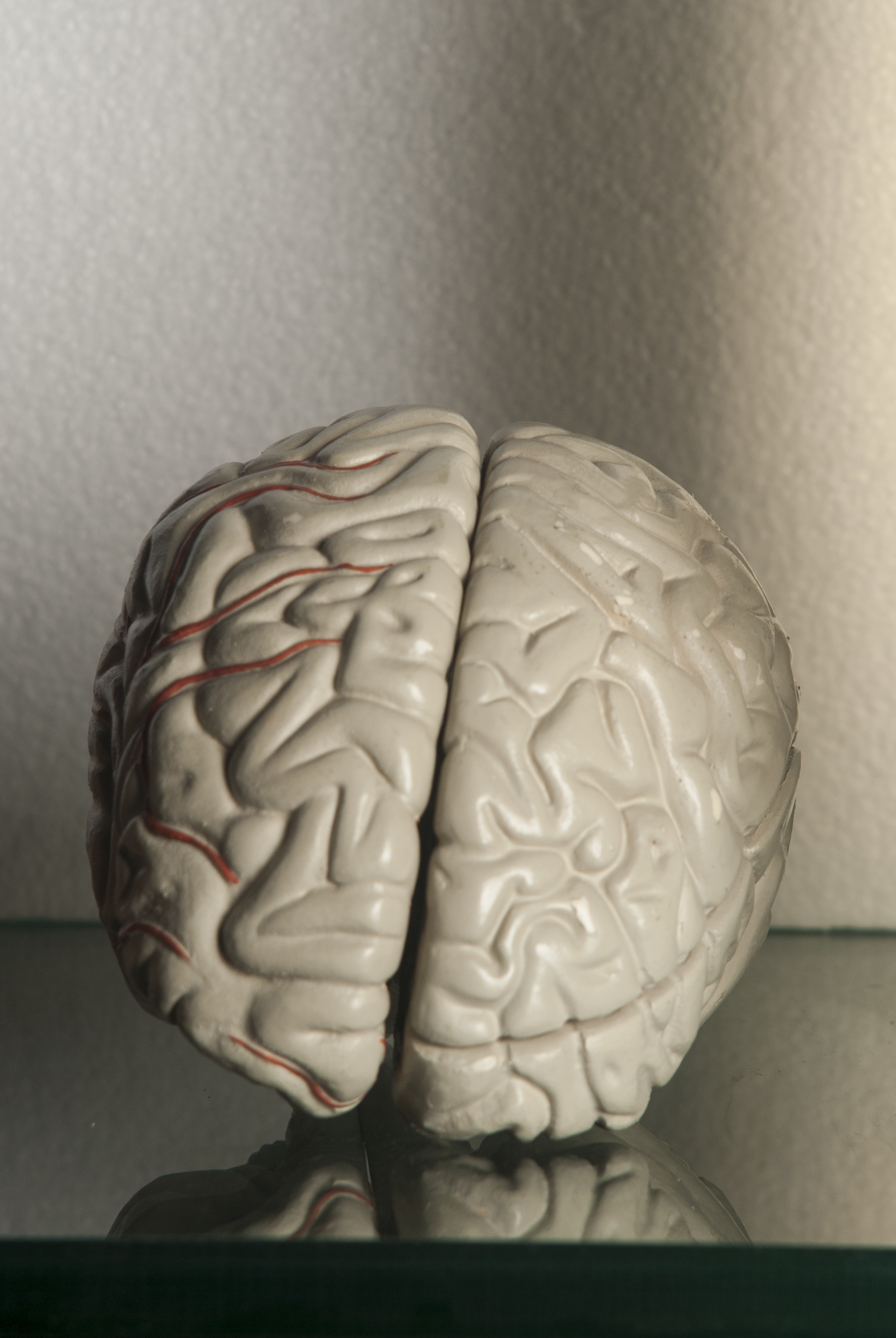
It's not unusual for a chronic pain patient to be prescribed an antidepressant. But there are other ways to battle the blues. Introduced at this year's American Psychiatric Association, a "brain food scale" rates nutrients and foods in their ability to help people to battle depression and perhaps dementia as well. According to Dr. Drew Ramsey, who presented on the topic, data suggests that foods have a very critical role to play in brain health.
Plant based foods rate vary highly in this ability, according to the newly described Brain Essential Nutrients Scale (BEN). Leafy green vegetables are high on the list, but also included are game meats, organ meats, nuts, clams and other bivalves, and fish such as salmon. According to the study, high percentages of the US population do not get enough of the key nutrients necessary for optimal brain health, including omega-3 fatty acids, trace minerals such as calcium and magnesium,and many vitamins required by the human body. Study authors propose that these nutrients help to promote stabilization of neurons and also possess anti-inflammatory properties.
You can read a more detailed article about this interesting topic by clicking here.
Sources: Medscape; Wikimedia
It's not unusual for a chronic pain patient to be prescribed an antidepressant. But there are other ways to battle the blues. Introduced at this year's American Psychiatric Association, a "brain food scale" rates nutrients and foods in their ability to help people to battle depression and perhaps dementia as well. According to Dr. Drew Ramsey, who presented on the topic, data suggests that foods have a very critical role to play in brain health.
Plant based foods rate vary highly in this ability, according to the newly described Brain Essential Nutrients Scale (BEN). Leafy green vegetables are high on the list, but also included are game meats, organ meats, nuts, clams and other bivalves, and fish such as salmon. According to the study, high percentages of the US population do not get enough of the key nutrients necessary for optimal brain health, including omega-3 fatty acids, trace minerals such as calcium and magnesium,and many vitamins required by the human body. Study authors propose that these nutrients help to promote stabilization of neurons and also possess anti-inflammatory properties.
You can read a more detailed article about this interesting topic by clicking here.
Sources: Medscape; Wikimedia
Comments
Post a Comment