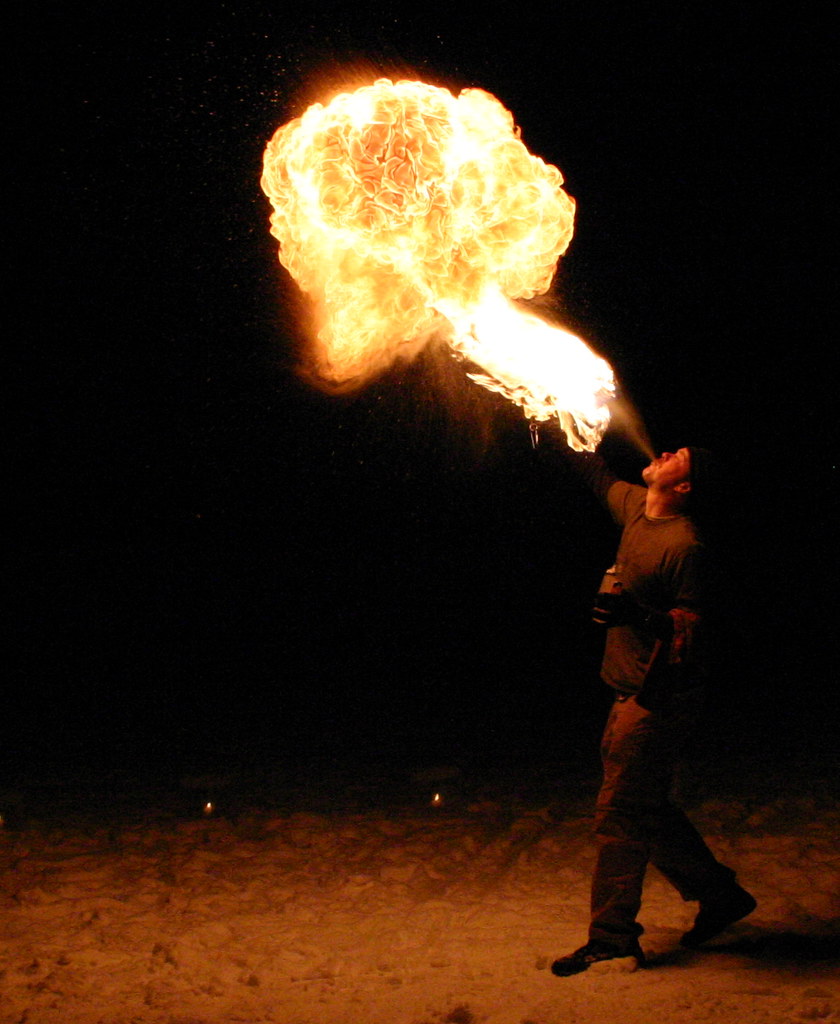
Strange But True: Burning Mouth Syndrome


Believe it or not, there really is a painful disorder known as "Burning Mouth Syndrome!" While it does not occur commonly, it can affect an individual for weeks, months or years.  This syndrome, as its name implies, causes a burning sensation in the oral cavity.  The primary symptoms is a sensation in the mouth that has been described as burning, scalding, or even tingling. It is difficult to diagnose because there is no visible abnormality for a doctor, dentist, or other health care provider to see upon exam.

Burning Mouth Syndrome is considered "Primary BMS" if no underlying medical condition can be associated with it.  In this case, damage to nerves seems to be the underlying cause of the problem.

"Secondary BMS" can be associated with an existing medical problem such as diabetes, thyroid disorders, allergies, Sjorgren's syndrome, certain medications or nutritional deficiencies, an oral infection or even gastroesophogeal reflux disease GERD).

BMS, whether primary or secondary, is a complex pain disorder and treatments are highly individualized.  In cases of secondary BMS, treatment of the underlying problem will help to alleviate the condition.  Lifestyle modifications, including abstinence from tobacco and alcohol, and avoidance certain foods and oral care products will help bring the condition under control.

Sources: NIH; Flickr

Comments

Popular posts from this blog

Living with Chronic pain hits the big screen!

Been to the movies lately?  Jennifer Aniston is on the big screen in a recent release titled "Cake." Her character, Claire is a victim of chronic pain...she belongs to a support group, where all of the members are coming to terms with the suicide of one of their members.  Of course, she also takes pain medication and addiction is another of her problems...and of course there's more! I guess I am writing this post just to bring readers' attention to the fact that Hollywood has become aware of the crisis that is chronic pain.  This movie is a testament to that. People that don't have to live with this kind of pain don't fully understand the whole story.  Maybe this movie will shed some light on the issues. Here is the official trailer for the movie: Sources: prweb;NorthJersey.com;YouTube

The Multimodal Approach to Pain Management

OK..so if you've been following this blog you will notice that there are a good number of ideas to help manage chronic pain.  You might ask yourself, "Which one of these ideas is best for me ?" I would suggest that you might try any number of these things, depending on your level of ability/disability, health care team recommendations, and your personal interests.  There are a number of reasons for doing this: 1) The patient is in control..with few exceptions, it is your decision what to try/not try and how many different things you want to experiment with at any time. 2) Non drug pain management ideas do not have any of the drug interactions or side effects that medications have.  You may have to set limits or modify activity according to personal circumstances, but usually it does not hurt to try any of them. 3)You usually do not need a prescription for most of the ideas I have described.  There are a few exceptions, such as physical therapy.  There ...

Beware Of The Tick!

It's tick season, everyone! And while we all know about Lyme Disease and its lingering effects, a new problem has entered the scene. According to the CDC, the Powassan virus is another tick-borne disease that has recently been recognized. The CDC says symptoms become apparent anywhere from one week to one month after infection. Symptoms include vomiting, weakness, confusion, loss of coordination, problems with speech and seizures. Approximately half of those infected by this virus have permanent neurological symptoms, which can include muscle wasting, problems with memory, and recurrent headaches. Many people who have been infected with Powassan virus required hospitalization and sometimes even respiratory support (i.e., a respirator). Treatment is focused on supportive measures. In the meantime, preventive measures are the best way to avoid Lyme disease, Powassan virus , or any other tick-borne virus.  You can read more about preventive measures by clicking here . Sour...