After I wrote the post about the Fibromyalgia Float Project, I got to thinking about Epsom Salts. Even though technically, I suppose that they could be considered a pharmaceutical, they are safe and effective. This product has been around literally forever, and might be a real godsend for some chronic pain sufferers.
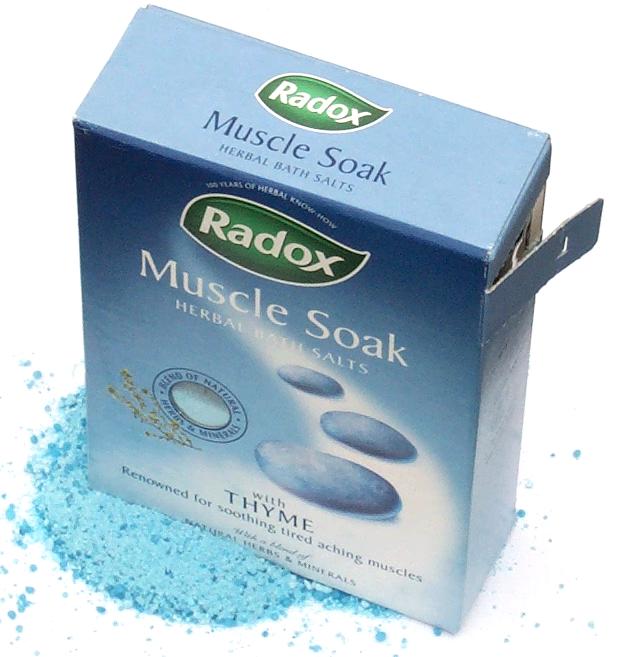
Epsom Salts are made up of naturally occurring minerals...primarily magnesium and sulfur. Magnesium deficiency is fairly common and may affect many body functions, including muscle and nerve function, blood sugar regulation, and blood pressure regulation. Sulfur deficiency may play a role in obesity, heart disease, chronic fatigue, and dementia.
One way to increase magnesium is to take an oral supplement--magnesium sulfate or magnesium oxide are fairly easy to find. But another way to increase magnesium levels in the body is to to absorb it through the skin. This can easily be accomplished by taking an epsom salt bath. A epsom salt foot bath is another option for those who are dealing with tired achy feet. It is very relaxing and can do much to provide relief to sore muscles and joints. This technique is favored by athletes, because it is a safe and effective way to rapidly replenish magnesium levels. It's quite relaxing as well.
Here is a video from the Dr. Oz show about the benefits and "how to" of this practice. I really like the way Dr. Oz and his guest explain this for their viewers. I hope you like it too!
Sources: Epsom Salt Council; NIH;Weston A. Price Foundation;Wikipedia
Epsom Salts are made up of naturally occurring minerals...primarily magnesium and sulfur. Magnesium deficiency is fairly common and may affect many body functions, including muscle and nerve function, blood sugar regulation, and blood pressure regulation. Sulfur deficiency may play a role in obesity, heart disease, chronic fatigue, and dementia.
One way to increase magnesium is to take an oral supplement--magnesium sulfate or magnesium oxide are fairly easy to find. But another way to increase magnesium levels in the body is to to absorb it through the skin. This can easily be accomplished by taking an epsom salt bath. A epsom salt foot bath is another option for those who are dealing with tired achy feet. It is very relaxing and can do much to provide relief to sore muscles and joints. This technique is favored by athletes, because it is a safe and effective way to rapidly replenish magnesium levels. It's quite relaxing as well.
Here is a video from the Dr. Oz show about the benefits and "how to" of this practice. I really like the way Dr. Oz and his guest explain this for their viewers. I hope you like it too!
Sources: Epsom Salt Council; NIH;Weston A. Price Foundation;Wikipedia
Comments
Post a Comment